
Stages of Wound Healing After Oral Surgery
For successful recovery from oral surgery – such as tooth extraction, gum surgery, and dental implant placement – patients need an understanding of wound healing. Patients can expect to go through the following stages as they recover from surgery:
Immediate Postsurgery Stage
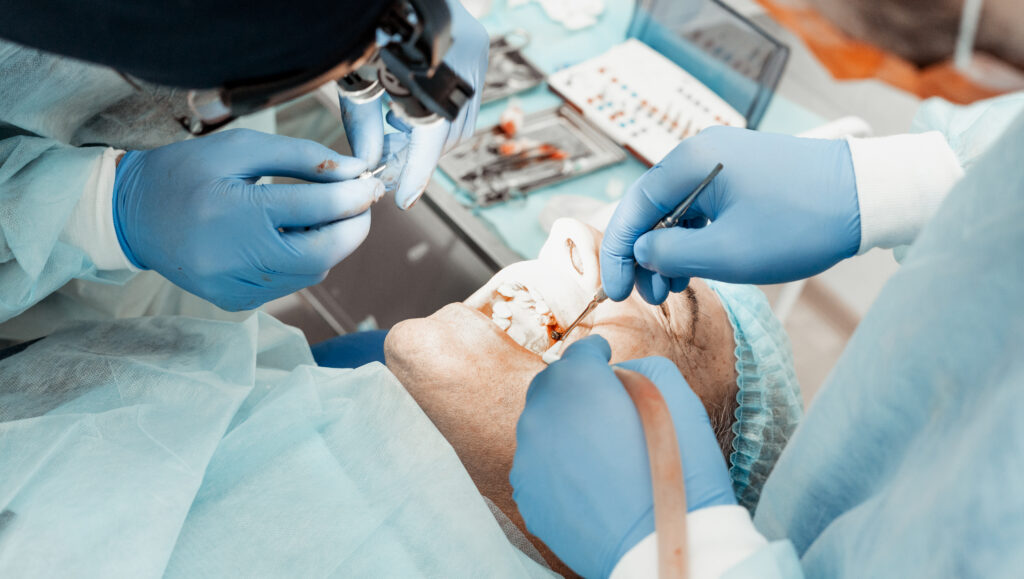
Bleeding may occur at the surgical site immediately after oral surgery. Your oral and maxillofacial surgeon (OMS) will place gauze at the surgical sites to control the bleeding. Follow your OMS’s instructions and keep the gauze in place for the recommended amount of time. Utilizing gauze properly is essential for the formation of a blood clot, which is the first step of the healing process.
Inflammatory Stage
Swelling, pain, and redness may occur around the surgical site during this phase. The body’s immune system sends white blood cells into the area to remove debris and defend against bacteria and infection.
Proliferation Stage
New tissue begins to form to replace damaged or removed tissue, and blood vessels grow into the area to provide the oxygen and nutrients needed for healing. The wound gradually begins to close as cells multiply and fill in the gaps. The formation of a protective tissue that can be white, pink, or red and looks granular (granulation tissue) is a sign that healing is progressing.
Maturation Stage
During the final stages of wound healing, newly formed tissue is strengthened and reorganized. Collagen fibers – a type of protein – begin to align, giving strength to the healing area. Scar tissue gradually rebuilds and becomes less noticeable.
Following these general guidelines can help the healing process:
- Take medications as directed: Your OMS may prescribe antibiotics and/or pain relievers.
- Practice good oral hygiene: Be careful when handling the surgical site to avoid disturbing the healing process.
- Follow dietary restrictions: Avoid hot or hard foods that may irritate the surgical site.
- Attend follow-up visits: Appointments with your OMS ensure proper healing and allow you to address concerns.
The healing process varies from person to person. Factors such as general health, complexity of the procedure, and adherence to postoperative instructions can affect healing time. If you experience excessive bleeding, severe pain, swelling, or any other symptoms that worry you, contact your OMS immediately.