

TMJ and Facial Pain
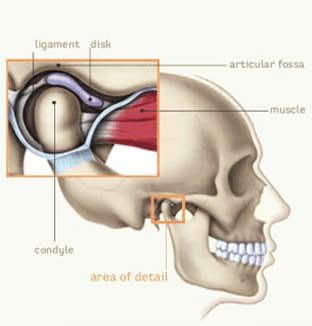
The temporomandibular joint (TMJ) is a small joint located in front of the ear where the skull and lower jaw meet. The joint permits the lower jaw to move and function.
The TMJ is the most constantly used joint in the body.
TMJ disorders are not uncommon. Symptoms are usually reported by adults between the ages of 20 and 40 and tend to affect females more frequently than males. Despite TMJ disorders being widespread, only five to 10 percent of people require surgical treatment for their symptoms.
Individuals with a TMJ disorder may experience a variety of symptoms, such as earaches, headaches, difficulty chewing and eating or a limited ability to open their mouth.
When symptoms of TMJ trouble appear, consult an oral and maxillofacial surgeon (OMS). A specialist in the areas of the mouth, teeth and jaws, your OMS has the expertise to correctly diagnose the problem. TMJ disorders can be complex and may require different diagnostic procedures. Special imaging studies of the joints may be ordered, and appropriate referral to other dental or medical specialists or a physical therapist may be made.

OMS Voices Preview: TMJ Disorder: Causes, Symptoms and Treatments
Treatment
Treatment may range from dental and medical care to complex surgery. Depending on the diagnosis, treatment may include short-term, non-steroidal, anti-inflammatory drugs for pain and muscle relaxation, bite plate or splint therapy, and even stress management counseling. If non-surgical treatment is unsuccessful or if there is clear joint damage, surgery may be indicated. Surgery can involve arthrocentesis, arthroscopy (the method identical to the orthopedic procedures used to inspect and treat larger joints such as the knee) or repair of damaged tissue by a direct surgical approach.
Once TMJ disorders are correctly diagnosed, your OMS can provide appropriate treatment to relieve the problem.